A Vision for a Multilingual High School Experience for All Students
Masters Research by Matthew Luria | University of Oklahoma
Research Overview
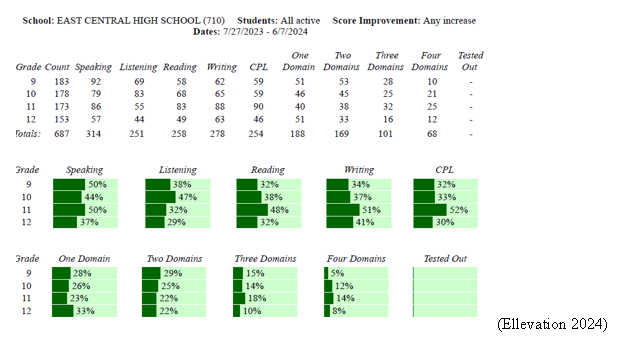
Long-Term English Language Learners (LTELs) are students who remain in English Language Development programs for more than four years without meeting state criteria to exit. At East Central High School in Tulsa, Oklahoma, LTELs make up 360 of the school’s 537 multilingual learners. The 2023 WIDA ACCESS for ELLs results showed limited year-over-year growth: of 687 students assessed, only 314 improved in speaking, 251 in listening, 258 in reading, and 254 in writing.
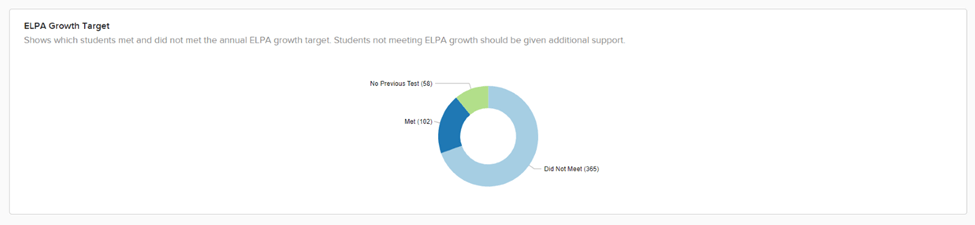
Current ELD supports are often designed for newcomers and do not address the specific needs of LTELs, who experience repeated testing and stalled academic progress. Key factors influencing LTEL success include the quality of targeted instruction, appropriate classroom placement, and instructional alignment to the language domains preventing exit. With structured intervention, LTELs can make Adequate Yearly Progress and exit ELD programs prepared for graduation.
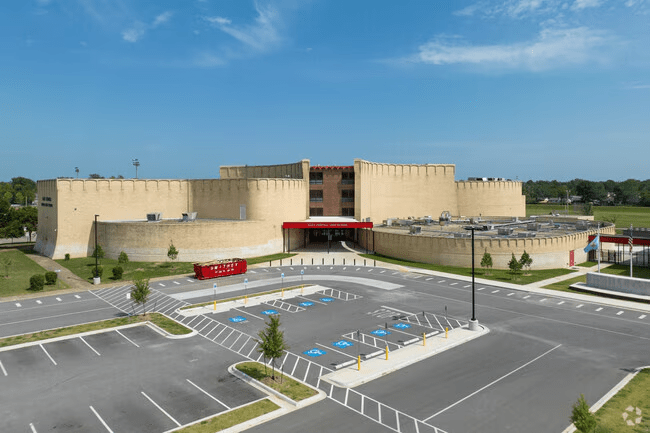
East Central High School: The Context
1,120 students
46% Hispanic, 24% African American, 23% Caucasian
80%+ free/reduced lunch
20+ languages spoken
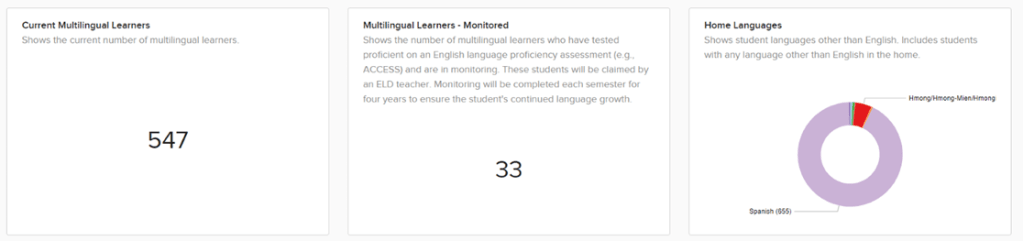
537 multilingual learners
360 LTELs (>4 years), 98 newcomers
The Problem: Stalled Language Acquisition
Of 687 students assessed on ACCESS in 2023, only 314 improved in speaking, 251 in listening, 258 in reading, and 254 in writing — despite years in the program.
Vision and Goals
Built on Tulsa Public Schools’ English Language Success Plan
- Language Development and Academic Success
- Professional Development
- Equity and Inclusivity
- Family and Community Engagement
- Data-Driven Decision Making
- Accountability and Monitoring
The Solution: Tailored Interventions
Tier 1 – 48 students scoring 4.7 overall (missing 4.8 exit by writing or speaking only). Weekly WIDA-aligned writing and speaking practice with two dedicated teachers.
Tier 2 – Students scoring 4.0–4.6 placed in ELD-Expanding and ELD-Bridging classes for systematic coaching to make Adequate Yearly Progress.
Structural supports: Add 2 ELD teachers + 1 ELD counselor (Title III/Title I), reduce class sizes from 40 to 25–30, and cap ELD-Expanding/Bridging at 25 students.
How We’ll Know It Works
The ELD team will monitor LTEL numbers and ACCESS performance. School leaders will assess interventions through practice tests, compare subsequent ACCESS scores, analyze class sizes and teacher allocations, and gauge family feedback through four committee meetings per year.
One year later:
The ELD team, lead by Matt Luria, under the guidance of the building admin, took some of the proposals and made minor modifications.
We made the lead counselor also our ELD counselor to provide academic support to students who are age placed or lacking credits and may not graduate on time.
Two senior ELD teachers lead the ELD Bridging classes, putting increased focus on writing and speaking in the classes, having student do research papers, projects, and short form videos on Canvas to increase comfort in Writing and Speaking tests. Students in the Bridging classes felt they had more confidence going into the Writing and Speaking domain tests than previously.
More students that qualified, were pushed into monitoring sections so they could focus on vocational experiences, concurrent enrollment, or job out opportunities.
2024 Matt Luria | Broken Arrow, OK | mattluria.wordpress.com
Designed with WordPress

